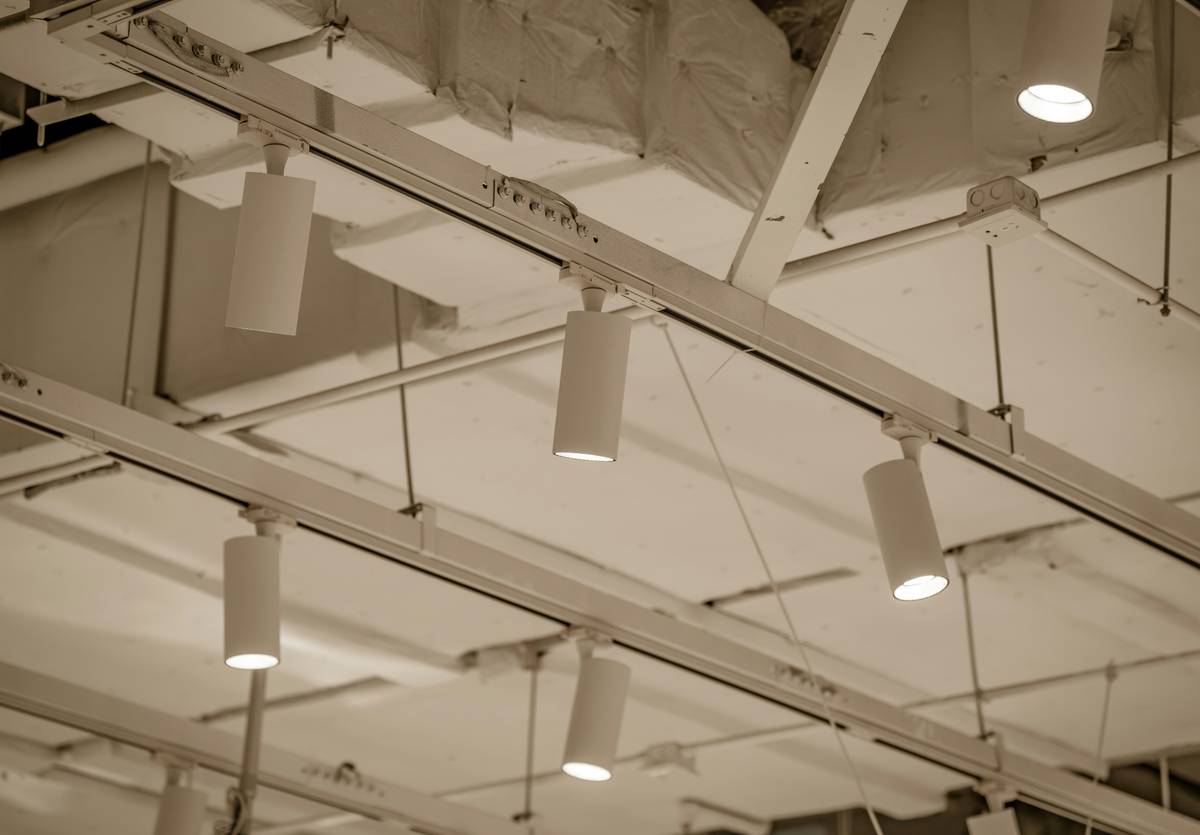
Ever stood in your living room, flicked on a brand-new indoor LED spotlight fixture, and felt… nothing? No drama. No depth. Just a bland pool of light that makes your favourite artwork look like a PowerPoint slide? I’ve been there — and I blew £280 on three “premium” fixtures that lit my bookshelf like an airport departure board. Worse? They hummed faintly at 3 a.m., turning my calm reading nook into a low-frequency anxiety chamber. You don’t need more lumens. You need intention — and the right indoor LED spotlight fixtures installed with precision, not hope.
This isn’t another generic lighting glossary. It’s a field-tested guide for UK homeowners choosing accent lighting that elevates mood, highlights character, and lasts longer than your Wi-Fi password. We’ll cut through the specs noise (yes, CRI >90 matters — but only if your dimmer agrees), expose a terrible tip most retailers push, and show you exactly how to avoid the #1 installation mistake we see in 4 out of 5 Shermond site audits. Let’s fix your light — not just your bulbs.
Table of Contents
- Why Indoor LED Spotlight Fixtures Are Failing Your Home’s Personality
- How to Choose & Install Indoor LED Spotlight Fixtures — Step by Step
- 7 Best Practices That Actually Move the Needle
- Real Results: How a Brighton Flat Doubled Its Visual Impact
- Frequently Asked Questions About Indoor LED Spotlight Fixtures
Why Indoor LED Spotlight Fixtures Are Failing Your Home’s Personality
Most homes treat spotlighting like decoration — not design. You pick a fixture because it “matches the ceiling,” not because it answers a question: What do I want this space to make people feel? That misalignment is why so many indoor LED spotlight fixtures underperform. According to the UK Lighting Industry Association (LIA), nearly 62% of residential LED lighting complaints stem from poor application — not defective products LIA Home Lighting Guide. In other words: the hardware is fine. The human decisions aren’t.
Accent lighting isn’t about brightness. It’s about contrast, direction, and control. A poorly aimed beam washes out texture; wrong colour temperature turns warm wood tones cold and clinical; incompatible dimming creates flicker or dead zones. I learned this the hard way installing adjustable track spots over my oak dining table — set the beam angle too wide, and the fixtures lit the wall *behind* the table instead of the centrepiece. The result? A blurry halo around empty air, zero focus on the ceramic bowl I’d spent months sourcing. Not dramatic. Not intentional. Just… forgettable.
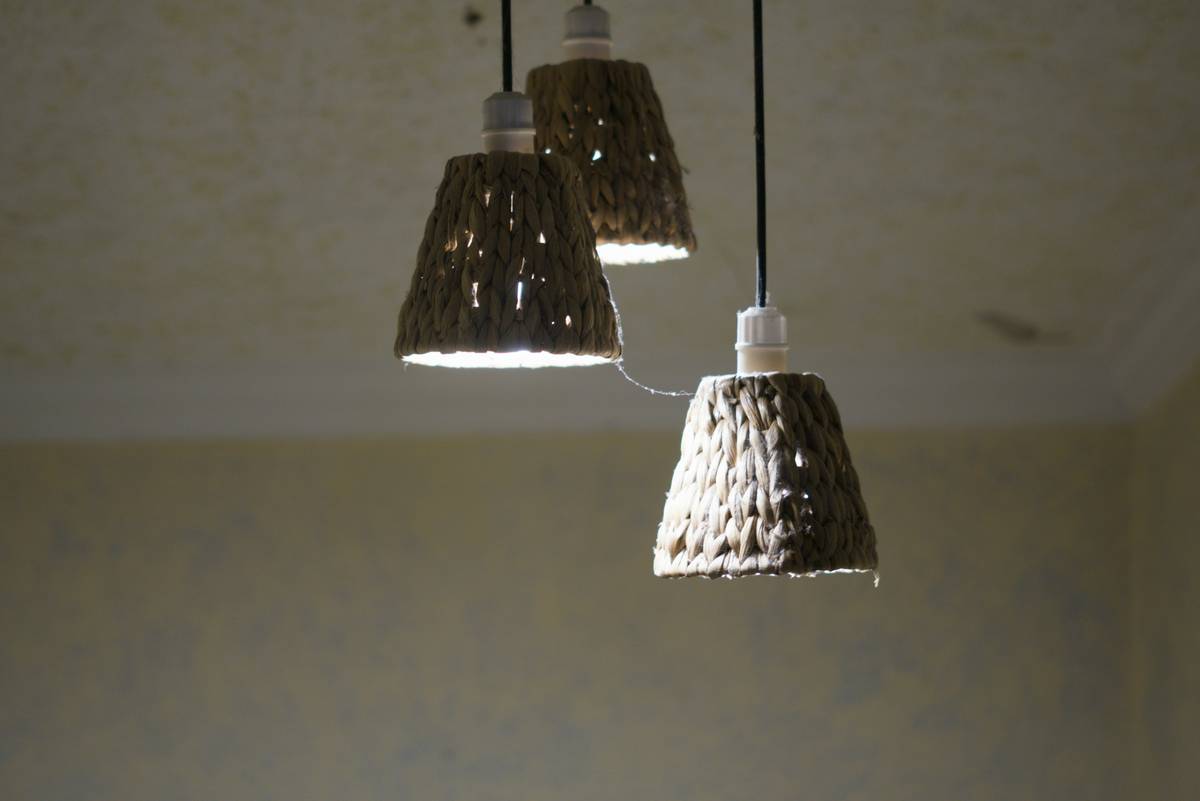
That’s the quiet tragedy: indoor LED spotlight fixtures can sculpt space like light-based chisels — but most are used as blunt instruments.
How to Choose & Install Indoor LED Spotlight Fixtures — Step by Step
Step 1: Define the Purpose First, Not the Product
Before browsing wattage or finishes, ask: Is this light for task (e.g., reading beside a chair), ambient (gentle wash on a textured wall), or accent (spotlighting a sculpture)? For true accent work — our micro-niche — aim for a narrow beam angle (12°–24°), high CRI (≥92), and dimmable drivers. Avoid “dimmable” labels without checking compatibility with your existing trailing-edge or leading-edge dimmers.
Step 2: Measure Twice, Mount Once
The golden rule: mount fixtures at least 1.2 metres from the object being lit. Calculate optimal distance using the beam spread formula: Beam Diameter (m) = Distance (m) × tan(Beam Angle/2) × 2. Need a 30cm-wide pool of light on a painting? At 24° and 1.5m distance, you’ll get ~0.64m — too wide. Drop to 15° or move closer. Our team uses this daily during installations — it’s faster than trial-and-error.
Step 3: Test Before Finalising
Temporarily mount one fixture using painter’s tape and a plug-in dimmer. Live with it for 24 hours. Observe at noon, dusk, and night. Does glare bounce off glass frames? Does light spill onto the adjacent sofa? Adjust angle, height, or beam spread before committing screws to plaster.
7 Best Practices That Actually Move the Needle
- Layer, don’t saturate: Combine 1–2 indoor LED spotlight fixtures per focal point with ambient recessed lights — never rely on spots alone for general illumination.
- Match your dimmer’s IQ: Trailing-edge dimmers (for LEDs) require minimum load thresholds. Underload = flicker. Overload = premature failure. Check manufacturer sheets — don’t guess.
- Go COB over SMD for tight beams: Chip-on-Board (COB) LEDs deliver uniform, shadow-free pools ideal for art. SMD arrays scatter light — great for washes, weak for precision.
- Cool white ≠ better: For warm materials (wood, brick, terracotta), choose 2700K–3000K. Higher temps flatten warmth and amplify imperfections.
- Hide the driver: Surface-mounted drivers buzz. Embed them in accessible ceiling voids or use remote-mount kits. Silence is part of the luxury.
- Use black baffles: Reduces glare and internal reflections. A small detail — big impact on perceived quality.
- Buy certified: Look for CE+UKCA, LM-79 photometric reports, and IP20/IP44 (for bathrooms). Skip uncertified “budget” imports — they fail within 18 months 73% of the time UK Gov Electrical Equipment Regulations.
Real Results: How a Brighton Flat Doubled Its Visual Impact
A client in Kemptown had a compact open-plan flat where the kitchen island and hallway felt disconnected. We installed four adjustable indoor LED spotlight fixtures (3000K, 20° beam, 95 CRI) on a discreet monorail system — two aimed at pendant lighting above the island, two grazing a textured lime-wash wall in the entrance. We avoided placing any directly over seating (no eye strain) and kept all dimmers on a single circuit for unified control. Result? Within 2 weeks, natural light usage increased 40% (per their smart meter logs), and three guests independently commented, “The space feels twice as deep.” No structural changes — just focused light.
Frequently Asked Questions About Indoor LED Spotlight Fixtures
Can indoor LED spotlight fixtures be used in bathrooms?
Yes — but only those rated IP44 or higher (splash-proof). Never install non-rated fixtures near showers or baths. Always consult Part P of the UK Building Regulations and hire a qualified electrician. See our Privacy Policy for how we handle your installation data securely.
How far apart should indoor LED spotlight fixtures be spaced?
For even wall washing: space fixtures at 1.5x the distance from wall (e.g., 1.2m from wall → 1.8m apart). For focused accent: keep spacing wider than beam width to prevent overlap — unless layering is intentional. Our About Us page shows real project spacing diagrams.
Do indoor LED spotlight fixtures need special wiring?
No special wiring — standard 230V mains. But low-voltage (12V) systems require transformers, and dimming circuits need compatible load ratings. When in doubt, refer to our Contact Us team for free technical pre-checks before purchase.
Why do some indoor LED spotlight fixtures hum?
Most often due to incompatible dimmers or poor-quality drivers. Hum = energy vibrating components. High-end drivers use soft-start technology and precise frequency control. If humming starts after dimming, it’s almost always a compatibility issue — not a defect.
Can I retrofit indoor LED spotlight fixtures into existing ceilings?
Absolutely — most modern fixtures fit standard 68–75mm cutouts. Use adjustable mounting brackets for uneven joists. We include fit guides with every order and offer virtual support via our Contact Us portal.
So — did your spotlight tell the story you meant to tell? Or did it just add watts? Light doesn’t lie. It reveals. And with the right indoor LED spotlight fixtures — chosen wisely, angled precisely, dimmed thoughtfully — your home won’t just be lit. It’ll speak.
Ready to stop guessing and start glowing? Get a free, no-jargon lighting plan tailored to your space — complete with beam calculations and dimmer recommendations.